
Financial education for rural and underserved communities
A significant part of Mexico's population navigates financial life without reliable access to commercial banks. The financial tools available in these contexts are real, functional, and often underexplained. This section addresses them directly.
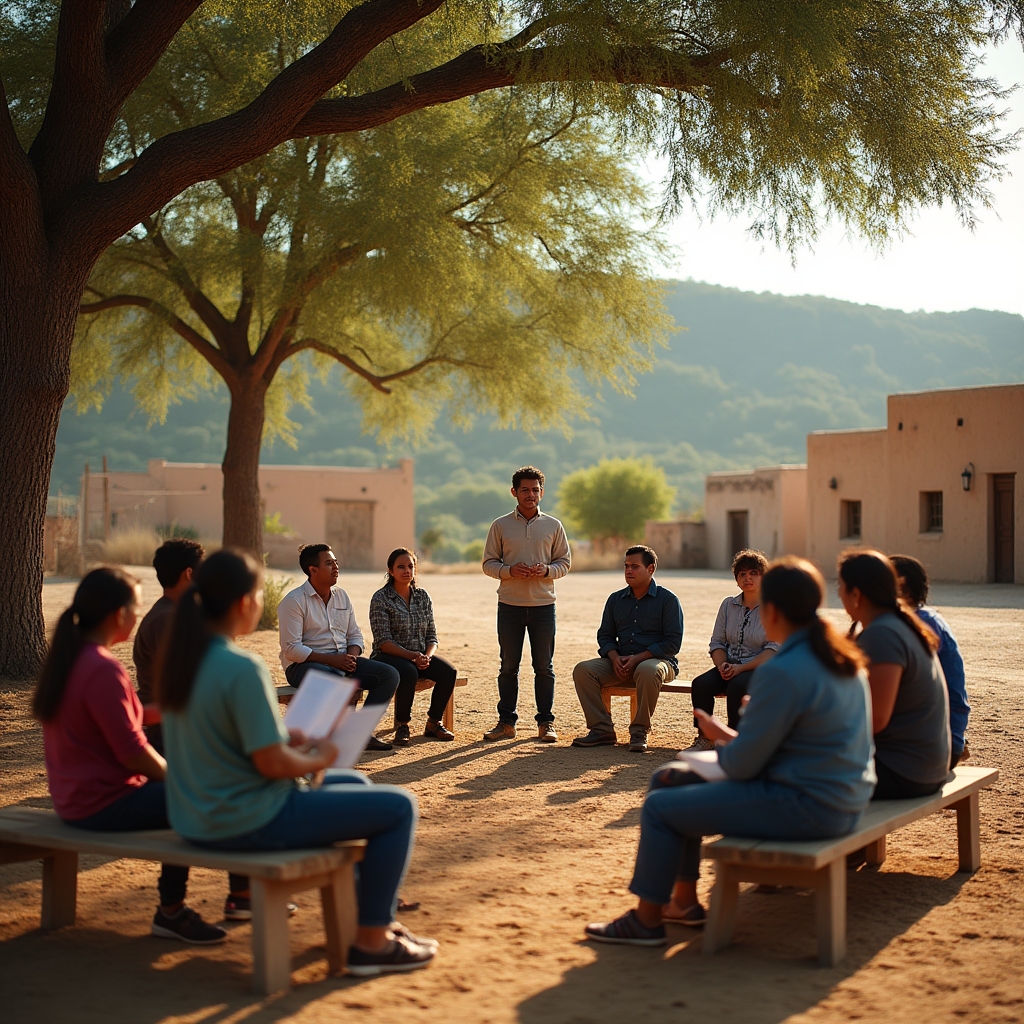
Why this content exists separately
Financial education content is often written with urban, banked readers in mind. The products described, the institutions referenced, and the assumptions embedded in the advice all reflect access to commercial banks, credit cards, and digital payment infrastructure.
Many communities in Mexico, particularly in rural areas and smaller municipalities, do not have this access. The financial tools that are actually available and relevant in these contexts are different. Explaining them requires different framing.
This section focuses specifically on the financial mechanisms that exist and function in rural and peri-urban Mexico, described accurately and without assumptions about banking access.
Cooperative Credit (Cajas de Ahorro)
Credit cooperatives and savings banks (cajas de ahorro) are member-owned financial institutions that provide credit and savings services in communities where commercial banks are absent. Members deposit savings and can access loans at terms set by the cooperative. These institutions are regulated differently from commercial banks. Understanding how they are governed, how deposits are protected, and how loan terms are set helps members make informed use of them.
Remittances: Receiving and Using Money from Abroad
Mexico is one of the world's largest recipients of international remittances. For many rural households, remittances represent the primary or supplementary income. Understanding how remittance transfer services work, what fees are charged, and how exchange rates affect the amount received is financially significant. Our guides explain these mechanisms without recommending specific transfer services.
Tandas and Cundinas: Informal Savings Circles
Tandas are informal rotating savings and credit associations that function across Mexico, particularly in communities with limited formal banking access. Participants contribute a fixed amount periodically and take turns receiving the total pool. While tandas are not formally regulated, they serve real financial functions. Understanding how they work, their practical limitations, and the informal trust mechanisms that sustain them is relevant for communities that rely on them.
Agricultural Credit and Seasonal Finance
Rural households with agricultural income often face seasonal cash flow patterns that differ significantly from salaried urban workers. Credit needs and savings habits in agricultural contexts are shaped by planting and harvest cycles. Our guides address how agricultural credit products are structured, what institutions provide them in rural Mexico, and what terms are typical for this type of financing.
Mobile and Agent Banking
Mobile banking and correspondent banking agents (corresponsales bancarios) have extended financial services into areas without physical bank branches. Understanding how these channels work, what transactions they support, and what their limitations are helps residents in underserved areas make practical use of them. Our guides cover how agent banking operates and what to verify before conducting transactions through these channels.
Government Programs and Social Transfer Management
Various Mexican government programs transfer funds directly to beneficiaries in rural areas. Understanding how these transfers work, where they can be accessed, and how to manage them as part of a household budget is a practical financial matter for many families. Our guides address the mechanics of these programs without commenting on eligibility or policy.
Financial education that works regardless of where you live
Content written with attention to the actual financial landscape in rural and peri-urban Mexico.